Compare Local Contractors for Residential Air Testing Services
Compare local contractors for residential air testing to define scope, verify experience, and set clear expectations for a successful project.
Residential air testing services typically involve evaluating indoor air quality and identifying potential sources of pollutants, such as mold, allergens, or volatile organic compounds. Contractors in this field may perform a variety of tests, including air sampling, surface testing, and environmental assessments, to provide property owners with a clearer understanding of the air quality within a home. These assessments are often used to diagnose issues related to indoor air pollution, ensure compliance with health standards, or prepare for remediation efforts, making it essential to select a contractor with the appropriate experience and expertise for the specific scope of work.
Defining the scope of residential air testing is a critical step that can influence the accuracy and usefulness of the results. Clear communication about what needs to be tested-whether it's airborne contaminants, surface residues, or humidity levels-helps ensure that the contractor's services align with the property owner’s concerns and goals. Outlining the scope in writing can also prevent misunderstandings, set expectations for the testing process, and facilitate a more straightforward comparison between different service providers. The more detailed and specific the scope, the better property owners can evaluate whether a contractor’s expertise matches the particular requirements of the project.
When comparing local contractors for residential air testing, property owners should consider factors such as experience, reputation, and the range of services offered. It’s advisable to verify how long a contractor has been performing these types of assessments and whether they have experience with similar properties or issues. Checking references or reviews can provide insight into the quality of their work, while reviewing the scope of services they offer can help determine if they can meet the specific testing needs. By gathering detailed information and clearly defining expectations in writing, property owners can make more informed decisions and select a service provider that best fits the specific requirements of their home.
Compare local contractors by outlining your testing needs, verifying their experience, and setting clear expectations in writing.
- Compare Service Providers - Review multiple local contractors to find those specializing in residential air testing.
- Define Testing Scope - Clearly outline the testing requirements to ensure all necessary assessments are covered.
- Verify Experience and Credentials - Confirm that contractors have relevant experience and a track record in residential air testing.
- Document Expectations in Writing - Establish and agree upon the scope, procedures, and deliverables through written agreements.
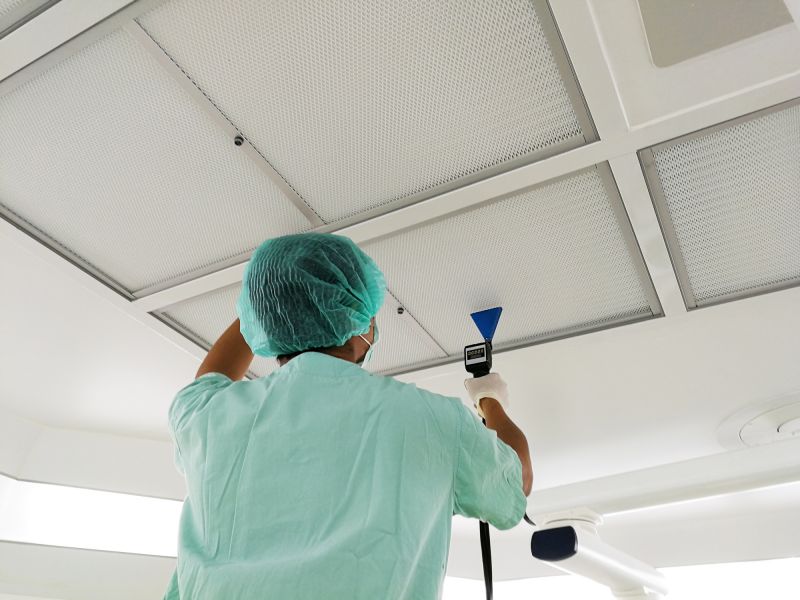
Clearly describe your residential air testing project to help compare local contractors, define scope, verify experience, and set expectations in writing.
- Verify experience and expertise in residential air testing to ensure proper assessment methods are used. - Look for local contractors with a proven track record in performing accurate air quality tests for homes.
- Define the scope of testing services to match specific concerns or requirements within the residential environment. - Ensure service providers clearly outline what areas and types of testing are included in their offerings.
- Compare the testing procedures and equipment used by different local contractors to ensure reliable results. - Seek providers who utilize industry-standard tools and techniques for air quality assessments.
- Request detailed written estimates that specify the testing process, scope, and deliverables to set clear expectations. - Use written documentation to compare services and avoid misunderstandings.
- Check references or reviews to assess the quality and thoroughness of the contractors’ previous residential testing work. - Gather feedback on their accuracy, professionalism, and ability to identify issues effectively.
- Confirm that the contractors are transparent about their testing methods and provide comprehensive reports upon completion. - Ensure detailed documentation is provided to support any necessary follow-up or remediation decisions.
Compare local contractors’ experience and clarify scope to ensure your residential air testing needs are met effectively.
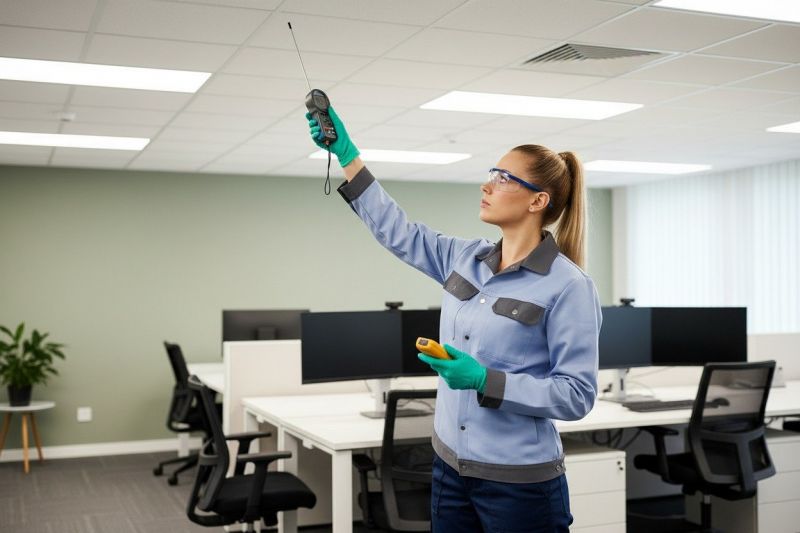
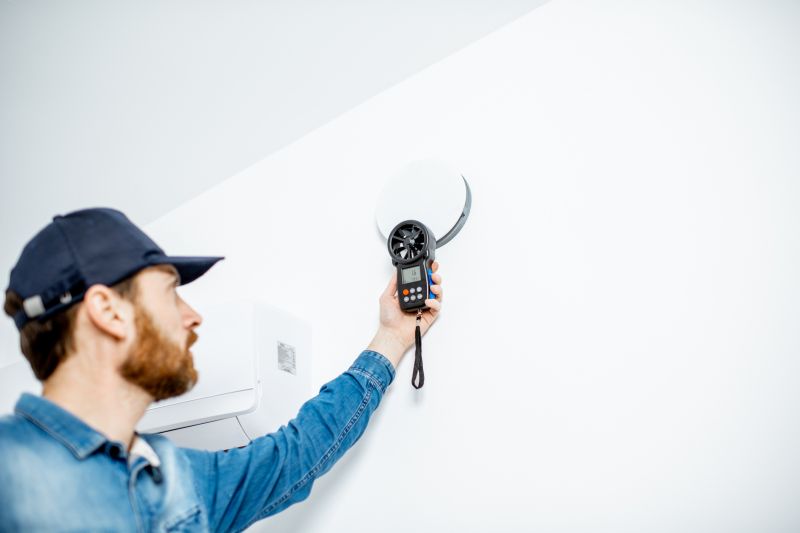
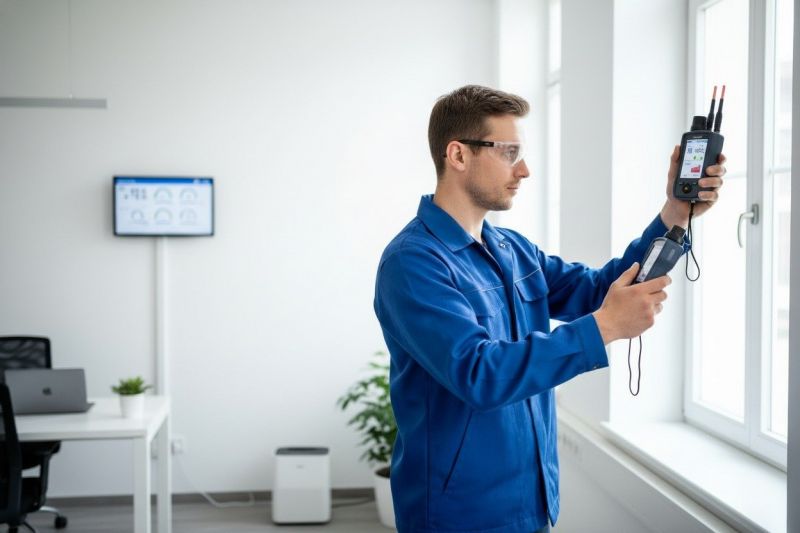

Learn how to compare residential air testing contractors, define scope clearly, verify experience, and set written expectations for consistent results.
- Scope Definition - Clearly outline the specific air testing services required for the residential property.
- Experience Verification - Confirm that local contractors have relevant experience in residential air testing procedures.
- Methodology Clarification - Specify the testing methods and equipment that will be used during the assessment.
- Reporting Expectations - Define the format and detail level of test results and reports to be provided.
- Scope of Work in Writing - Ensure all details of the testing process and deliverables are documented and agreed upon in writing.
When comparing contractors for residential air testing, it’s important to consider their experience with similar projects. A contractor who has performed numerous tests in homes with comparable layouts, sizes, or ventilation systems can offer insights based on practical knowledge. Asking about their background with your specific type of residence helps ensure they understand the unique challenges that may arise and can deliver reliable results. Experience with a variety of testing scenarios also indicates familiarity with the tools and techniques necessary to accurately assess air quality and system performance.
A clear, written scope of work is essential when evaluating different service providers. This document should outline exactly what the air testing will include, such as the types of tests performed, areas to be tested, and any preparatory steps required. A well-defined scope helps prevent misunderstandings and sets clear expectations for what the contractor will deliver. It also provides a basis for comparing different options, enabling homeowners to identify which contractor’s proposed services align best with their needs and ensure comprehensive coverage.
Understanding the basics of verification is key to assessing the quality of residential air testing services. A reputable contractor will follow standard procedures to ensure the accuracy and reliability of results, such as proper calibration of testing equipment and adherence to recognized testing protocols. They should be transparent about the methods used and willing to explain how they verify that the testing was performed correctly. This focus on verification helps homeowners feel confident that the results are trustworthy and can serve as a solid foundation for any necessary improvements or adjustments.
When evaluating options, it’s helpful to consider how each contractor communicates and documents their approach. Look for service providers who can provide detailed descriptions of their testing process, including the scope of work, verification methods, and reporting procedures. Clarify what kind of documentation will be provided and how the results will be presented. Comparing these elements allows homeowners to determine which local contractors prioritize clarity and thoroughness in their services, making it easier to select a professional who can meet expectations and deliver comprehensive, reliable air testing.
Ask contractors to provide written scope details to ensure clear expectations and consistent service.
- Scope of Testing - What specific areas or systems will the contractor test during residential air testing?
- Experience and Expertise - How long has the service provider been performing residential air testing, and what methods do they use?
- Testing Procedures - What testing techniques or equipment does the contractor utilize to ensure accurate results?
- Reporting and Documentation - How will the contractor document findings, and will detailed reports be provided in writing?
- Comparison and Clarification - How can homeowners compare the scope and approach of different local contractors to make an informed choice?
What should I consider when choosing a contractor for residential air testing? It's important to compare service providers based on their experience, scope of services offered, and reputation. Ensuring clear communication about the testing process and what is included can help set proper expectations.
How can I verify a contractor's experience with residential air testing? You can ask potential contractors about their previous projects, request references, or review any available credentials that demonstrate their familiarity with air quality testing standards and procedures.
What questions should I ask a contractor before hiring for air testing services? Inquire about their scope of work, the methods they use for testing, how they interpret results, and whether they provide detailed reports. Clarifying these points helps ensure the service meets your needs.
Why is it important to define the scope of work in writing? A written scope outlines the specific tasks, testing areas, and deliverables, reducing misunderstandings and ensuring all parties agree on what the service includes.
How can I compare different contractors for residential air testing? Look at their experience, the clarity of their communication, scope of services, and the level of detail in their reports. Gathering this information helps in making an informed choice.
What role does communication play in selecting a residential air testing contractor? Clear and thorough communication helps set expectations, ensures understanding of the testing process, and provides confidence that the contractor will deliver the needed results effectively.
This page has highlighted the importance of understanding the scope of residential air testing projects, verifying the experience of service providers, and establishing clear expectations in writing. By exploring these key points, visitors can better compare local contractors and make informed decisions about who to work with. Using the quote form to gather details allows for an easy way to connect with trusted service providers in the area.
Taking the time to define the project scope and verify the experience of local contractors can help ensure the process aligns with individual needs. The quote form provides a straightforward method to gather information and compare options, making it easier to find the right service providers for residential air testing.