Cost of Air Testing Service
Air testing services provide assessments to measure indoor air quality, identifying potential pollutants or contaminants. The final costs for these services can vary based on the scope of testing, types of materials involved, labor requirements, and specific conditions at the site. Understanding these factors can help in comparing options and estimating project expenses.
Pricing for air testing typically depends on the complexity of the testing procedures, the number of samples collected, and the accessibility of the testing site. Since costs can fluctuate with project details, it is advisable to obtain detailed quotes that outline how scope, materials, and site conditions influence the overall price.
Price Range Overview
$1,200 - $2,800 (smaller scope)
$3,500 - $7,500 (larger scope)
| Project Type | Typical Range |
|---|---|
| Indoor Air Quality Testing | $1,200 - $2,800 |
| Mold Inspection | $1,500 - $4,000 |
| Asbestos Testing | $2,000 - $6,000 |
| Lead Dust Testing | $1,200 - $3,000 |
| Radon Testing | $150 - $300 |
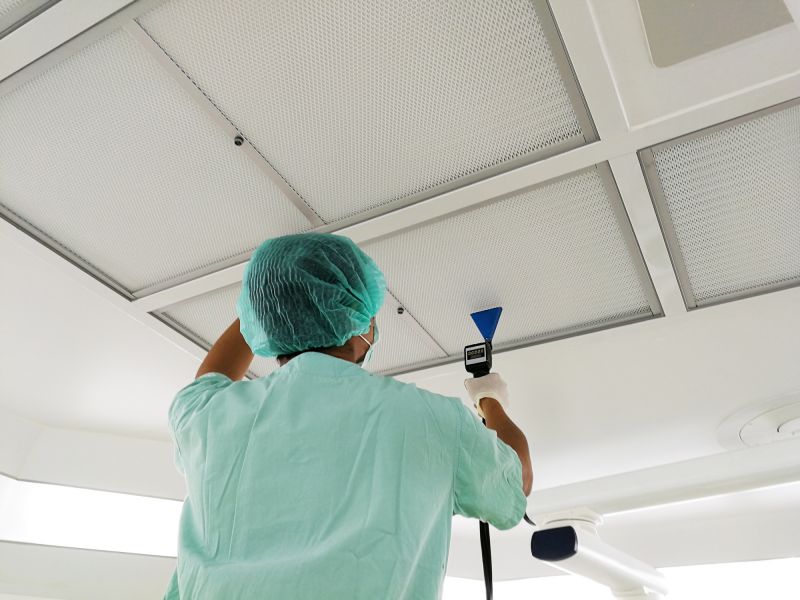
| Air Duct Testing | $2,000 - $7,500 |
Factors Affecting Cost
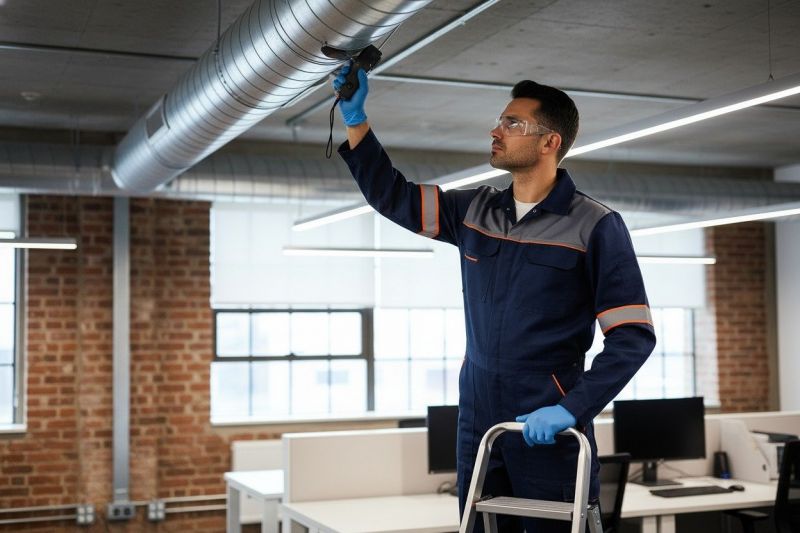
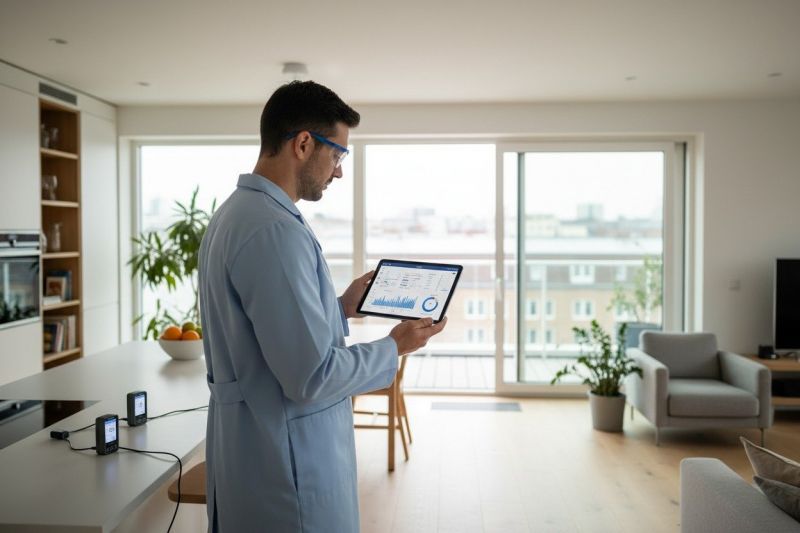
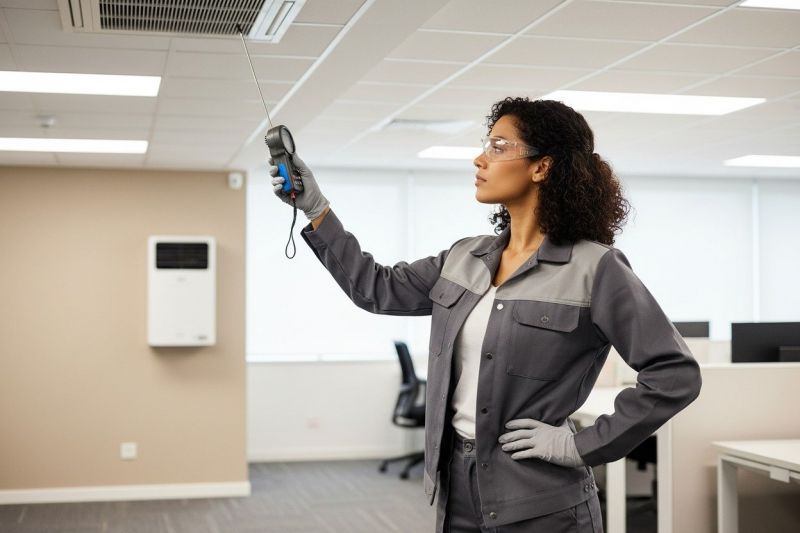
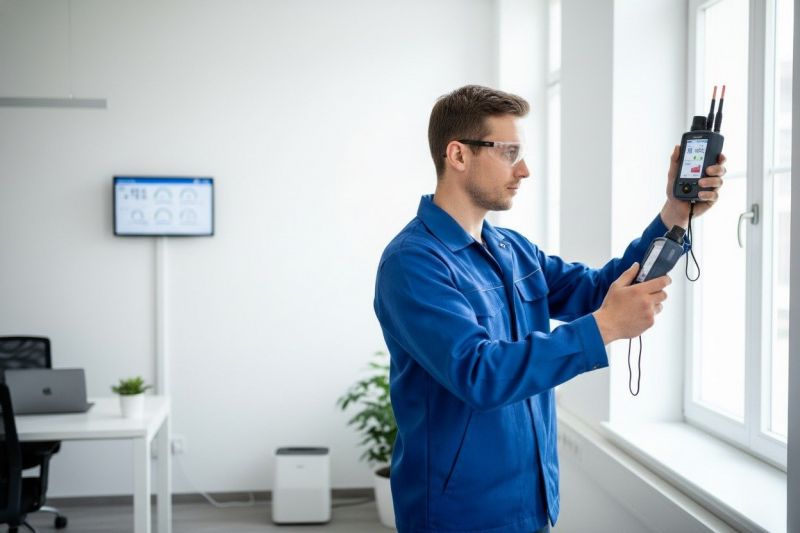
Air testing services are designed to assess indoor air quality and detect potential contaminants. These tests can help identify issues related to mold, chemicals, allergens, and other airborne substances, providing valuable information for health and safety considerations.
- Materials Tested: Air testing typically involves sampling for mold spores, volatile organic compounds (VOCs), allergens, or other airborne particles.
- Scope and Size: Testing can range from small, targeted areas to larger spaces, depending on the size of the property and the concerns addressed.
- Labor Complexity: The process generally requires specialized equipment and careful sample collection, but is often straightforward for trained personnel.
- Permitting: In most cases, air testing does not require permits, but local regulations should be checked for specific requirements.
- Extras and Additional Services: Additional analysis, detailed reports, or follow-up testing may be available to further evaluate air quality issues.
Project Size Considerations
| Scope/Size | Typical Range |
|---|---|
| Small Spaces (e.g., offices, residential rooms) | 0.1 - 0.5 air changes per hour |
| Medium Spaces (e.g., commercial areas) | 0.5 - 1.0 air changes per hour |
| Large Facilities (e.g., warehouses, industrial sites) | 1.0 - 3.0 air changes per hour |
| High-Risk Environments (e.g., laboratories, clean rooms) | 3.0 - 6.0 air changes per hour |
Typical testing scope and ranges can vary based on project requirements and specific conditions.