Compare Local Contractors for Indoor Air Quality Testing Services
Compare local contractors for indoor air quality testing to define scope, verify experience, and set clear expectations for a successful, informed service.
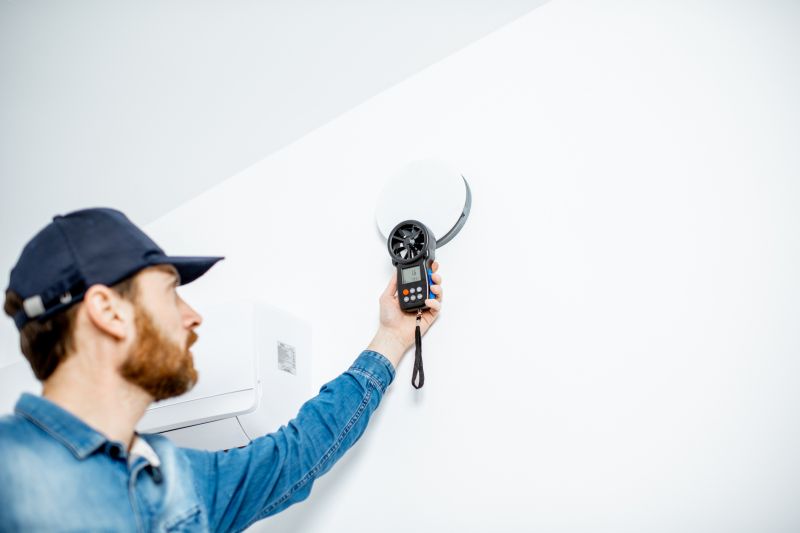
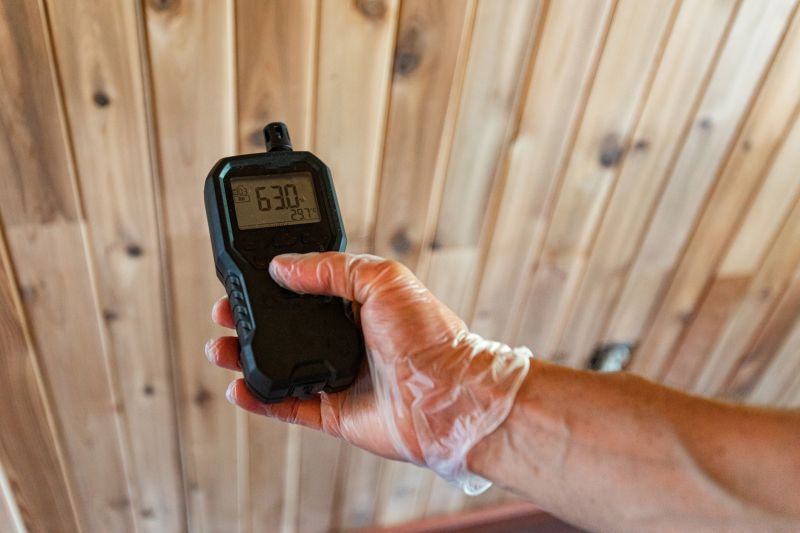
Indoor air quality testing services typically cover a range of assessments to identify potential sources of indoor pollutants. These evaluations often include measuring levels of airborne contaminants such as dust, mold spores, volatile organic compounds (VOCs), and other allergens. Contractors may also inspect ventilation systems, HVAC components, and building materials to detect issues that could contribute to poor air quality. The goal is to gather accurate information about the indoor environment to determine if air quality concerns exist and to inform any necessary remediation or improvement measures.
Defining the scope of an indoor air quality testing project is essential to ensure the work meets specific needs and expectations. Clear communication about what will be tested, the areas covered, and the type of analysis performed helps property owners understand what to expect from the service. A well-defined scope also helps prevent misunderstandings and ensures that the testing addresses the particular concerns of the space, whether it’s a residential home, commercial building, or rental property. Writing out the scope in detail can serve as a reference point for both property owners and contractors, fostering transparency and accountability.
When comparing local contractors, property owners should consider their experience and expertise in indoor air quality assessments. It’s helpful to verify that service providers are familiar with the types of spaces being tested and the specific testing methods used. Reviewing credentials, asking about previous projects, and requesting detailed descriptions of the testing process can aid in making informed decisions. Additionally, ensuring that scope of work is clearly documented in writing can help set expectations and provide a basis for evaluating the quality and thoroughness of the service. Comparing these aspects across different contractors can lead to a more confident selection of a qualified provider suited to the specific indoor air quality needs of the property.
Compare local contractors by outlining your testing needs, verifying experience, and setting clear expectations in writing.
- Compare Service Providers - review local contractors to find those with relevant experience in indoor air quality testing.
- Define Service Scope - clearly outline testing procedures and expectations before selecting a contractor.
- Verify Experience - check credentials and past work to ensure contractors have appropriate expertise.
- Set Expectations in Writing - document all details of the testing process to ensure clarity and accountability.
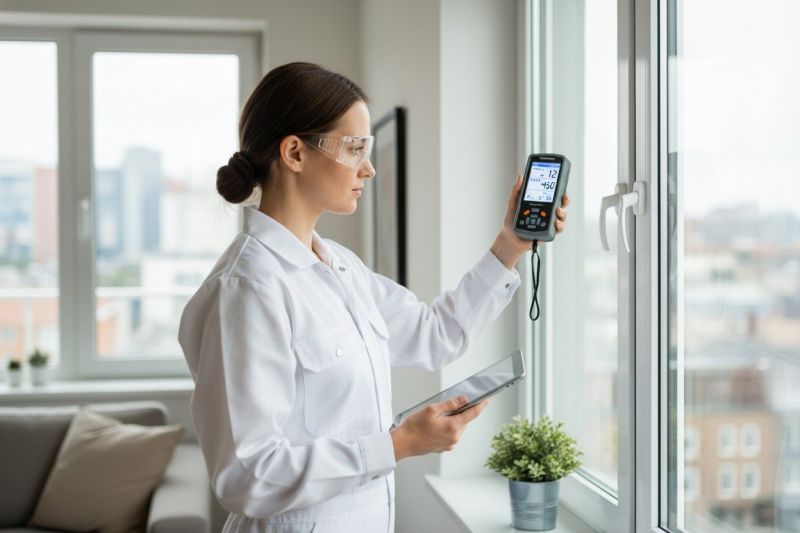
Clearly describe your indoor air quality testing project to effectively compare local contractors, verify experience, and set expectations in writing.
- Verify the experience and credentials of local contractors specializing in indoor air quality testing. Ensure they clearly define the scope of testing and the specific pollutants or issues to be assessed. Compare the methods and equipment used by different service providers to ensure comprehensive testing. Confirm that contractors provide detailed written estimates outlining the testing process and expected outcomes. Review the testing procedures to determine if they include measurements for common indoor pollutants such as mold, VOCs, and particulate matter. Make sure service providers explain how they interpret test results and recommend next steps in writing.
Compare local contractors' experience and clarify testing scope to ensure effective indoor air quality assessments.
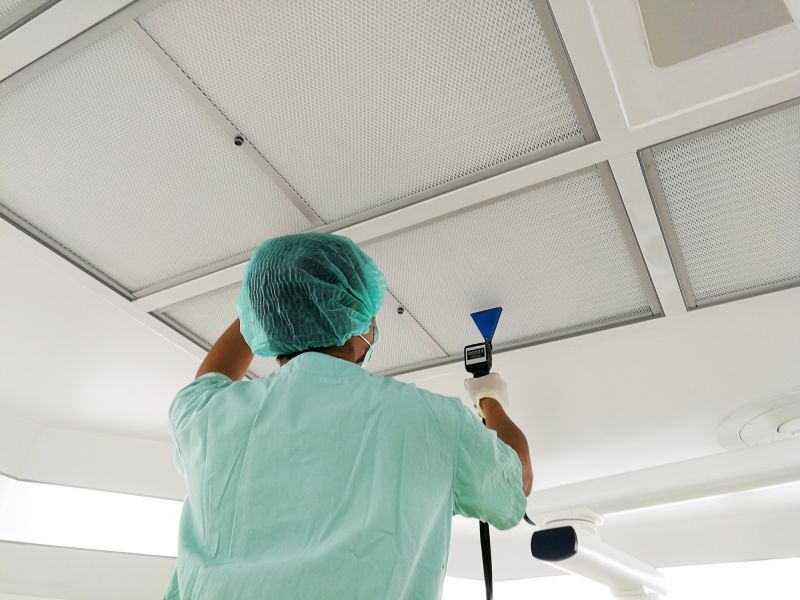

Compare local contractors' scope definitions and experience to ensure consistent standards across providers for indoor air quality testing.
- Scope Definition - Clearly outline the specific indoor air quality issues to be tested and assessed by the service provider.
- Testing Methods - Specify the types of tests and sampling techniques that will be used to evaluate indoor air quality.
- Experience and Expertise - Verify the provider’s experience in conducting indoor air quality testing and familiarity with relevant standards.
- Reporting and Documentation - Ensure the scope includes detailed reports of findings and recommended next steps in writing.
- Coverage and Limitations - Define what areas or contaminants are included in testing and any limitations of the assessment.
When evaluating contractors for Indoor Air Quality Testing, it is important to consider their experience with similar projects. Homeowners should inquire about the types of indoor environments the service providers have tested and the range of issues they have addressed. Contractors with a history of working on residential properties similar in size and layout can often provide insights into what to expect and ensure the testing methods are appropriate for the specific home. An understanding of the local building characteristics and common indoor air concerns can also help gauge a contractor’s familiarity with regional issues.
A clear, written scope of work is essential when comparing indoor air quality testing services. The scope should outline exactly what tests will be performed, the areas to be tested, and the types of contaminants or pollutants being assessed. Homeowners should seek detailed documentation that describes the testing process and the specific parameters that will be evaluated. This clarity helps set expectations and ensures that all parties agree on what the testing will include, reducing the risk of misunderstandings or incomplete assessments.
Verification of a contractor’s basic practices is another key aspect to consider. While licensing and certification are not the focus, homeowners can ask about the procedures followed during testing, such as sample collection methods and equipment used. Understanding how the contractor verifies the accuracy of results, whether through calibration, quality control measures, or follow-up testing, can provide confidence in the reliability of the findings. Transparent communication about these verification steps helps ensure the testing process is thorough and consistent.
When comparing options, it is helpful to evaluate how each service provider presents their approach and credentials in writing. Look for detailed proposals or descriptions that outline the testing plan, verification methods, and scope of work. This documentation offers a basis for comparing the thoroughness and professionalism of each contractor. Homeowners should also consider the clarity of the communication, responsiveness to questions, and the ability to provide comprehensive explanations of the testing process. These factors contribute to selecting a service provider capable of delivering accurate assessments and clear results.
Request written scope details to ensure clarity and consistency when comparing indoor air quality testing contractors.
- **Scope of Testing** - What specific indoor air quality factors will the contractor assess during testing?
- **Experience and Expertise** - How long has the contractor been performing indoor air quality testing, and what methods do they use?
- **Testing Procedures** - What testing techniques and equipment will the service provider use to evaluate air quality?
- **Reporting and Documentation** - Will the contractor provide detailed reports that clearly explain the findings and suggested next steps?
- **Scope Clarification** - How will the contractor define the scope of testing to ensure all relevant indoor air quality concerns are addressed?
What should I consider when choosing a contractor for indoor air quality testing? It's important to compare different service providers based on their experience, scope of services offered, and how clearly they define the testing process in writing to ensure transparency and alignment with your needs.
How can I verify a contractor's experience with indoor air quality testing? You can review their background, ask about previous projects, and request references or documentation that demonstrate their familiarity with testing procedures and industry standards.
What questions should I ask a contractor before hiring for indoor air quality testing? Inquire about their testing methods, the types of pollutants they test for, how they interpret results, and whether they provide detailed reports that outline findings and recommendations.
Why is it important to define the scope of testing in writing? Having a clear, written scope helps set expectations, ensures all parties agree on what will be tested, and provides a reference to avoid misunderstandings during the project.
How can I compare different contractors for indoor air quality testing? Look at their experience, the comprehensiveness of their testing services, how they communicate their process, and whether they provide detailed documentation to support their findings.
What role does documentation play in working with a contractor for indoor air quality testing? Proper documentation of the testing scope, procedures, and results helps ensure clarity, verifies what was done, and provides a basis for any necessary follow-up actions or assessments.
Understanding the importance of thorough indoor air quality testing, visitors have learned how to identify qualified service providers and what to consider when comparing options. Emphasis is placed on clarifying the scope of work, verifying experience, and setting clear expectations in writing to ensure the chosen contractor meets specific needs. This approach helps create a clear foundation for a successful service experience.
By using the quote form, visitors can easily compare local contractors and find the right professional for their indoor air quality testing needs. Taking the time to review and define project details with service providers can support informed decisions and ensure alignment on expectations. Connecting with trusted local contractors is a straightforward step toward addressing indoor air concerns effectively.